Buy fast-pass.be ?
We are moving the project
fast-pass.be .
Are you interested in purchasing the domain
fast-pass.be ?
domain@kv-gmbh.de · 0541-91531010
Buy fast-pass.be ?
Does silicone stick to silicone?
Yes, silicone does stick to silicone. When two silicone surfaces come into contact, they tend to adhere to each other due to their similar chemical composition. This property makes silicone a popular material for creating airtight seals and bonding silicone-based products together. **
Can I apply silicone on silicone?
It is generally not recommended to apply new silicone on top of existing silicone. The new silicone may not adhere properly to the old silicone, leading to potential issues with adhesion and durability. It is best to remove the old silicone completely before applying a new layer to ensure a proper bond and a long-lasting seal. **
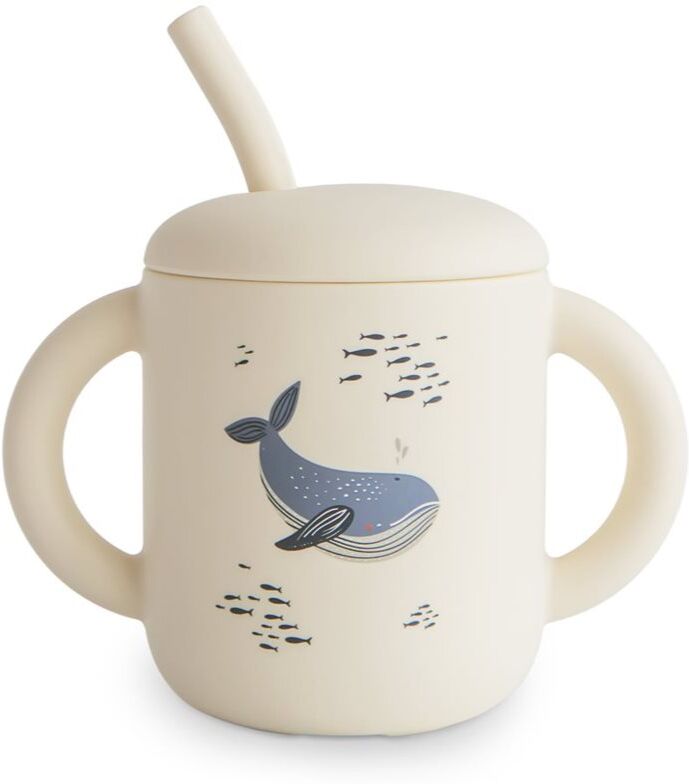

Similar search terms for Mushie-Silicone-Training-Cup
Top-Angebote
Products related to Mushie-Silicone-Training-Cup:
-
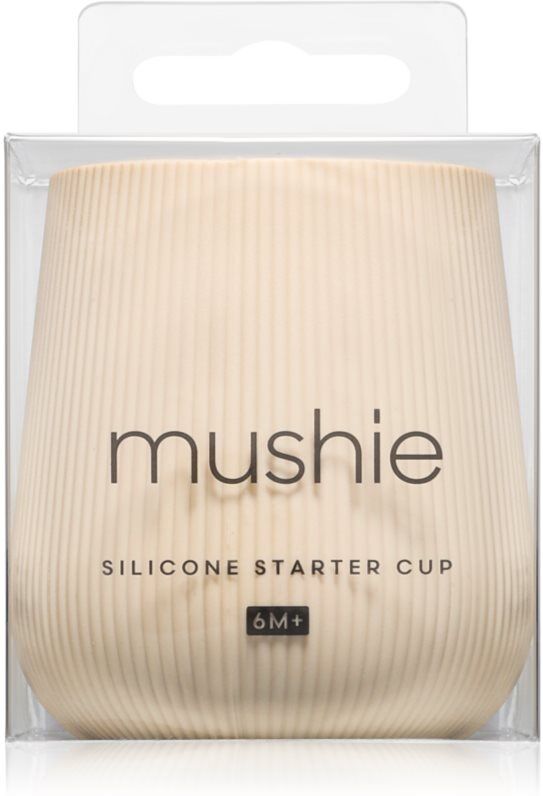
Mushie Starter Training Cup tasse d’apprentissage Shifting Sand 6m+ 1 pcsMushie Starter Training Cup, 1 pcs, Tasses pour enfants pour enfant, Vous voulez que votre enfant développe la bonne habitude de s’hydrater régulièrement ? La tasse pour enfant Mushie Starter Training Cup , adaptée aux petites mains des enfants, vous facilitera la tâche. En outre, son design amusant plaire à votre enfant Le produit : format pratique pratique et légère permet de passer facilement et rapidement du biberon à la tasse en silicone souple doux pour les dents et les gencives des enfants Matériaux : sans bisphénol A Mode d’emploi : Lavable au lave-vaisselle.9,70 €*Shipping: 3,45 €Secure redirect to the provider
-
Can silicone be applied on silicone?
Yes, silicone can be applied on top of existing silicone. However, it is important to ensure that the existing silicone is clean and free of any dirt, dust, or residue before applying new silicone. Additionally, it is recommended to use a silicone primer to promote adhesion between the old and new silicone layers. This will help to create a strong bond and ensure a durable seal. **
-
Is a to-go cup with a silicone lid good or bad for your health?
A to-go cup with a silicone lid can be good for your health as it can help reduce the risk of spills and burns from hot beverages. Silicone is generally considered safe for food contact and is non-toxic, making it a suitable material for lids. However, it's important to ensure that the silicone used is food-grade and free from harmful chemicals. Additionally, proper cleaning and maintenance of the silicone lid are important to prevent bacterial growth and maintain its safety for use. **
-
What are silicone and silicone hydrogel lenses?
Silicone lenses are a type of contact lens made with a silicone-based material, which allows for increased oxygen permeability to the eye. This can help reduce the risk of eye infections and improve overall comfort. Silicone hydrogel lenses are a specific type of silicone lens that also includes hydrogel, a water-absorbing material that helps keep the lenses moist and comfortable for longer periods of time. These lenses are popular for their breathability and comfort, making them a popular choice for contact lens wearers. **
-
Can I apply silicone on top of silicone?
Yes, you can apply new silicone on top of existing silicone as long as the old silicone is clean, dry, and in good condition. It is important to remove any dirt, dust, or residue from the old silicone before applying the new layer to ensure proper adhesion. Additionally, make sure to use a compatible silicone product to avoid any compatibility issues. **
'Hey, another quick question about the World Cup?'
Sure, go ahead! I'd be happy to help with any questions you have about the World Cup. **
What is the difference between silicone and silicone oil?
Silicone is a synthetic material made up of silicon, oxygen, carbon, and hydrogen atoms. It is commonly used in various products like sealants, adhesives, lubricants, and medical implants. Silicone oil, on the other hand, is a type of silicone that is in liquid form. It is often used as a lubricant, in hydraulic systems, as a heat transfer fluid, and in various medical applications. The main difference between silicone and silicone oil is their physical state - silicone is solid or semi-solid, while silicone oil is a liquid. **
Top-Angebote
Products related to Mushie-Silicone-Training-Cup:
-
Mushie Silicone Training Cup Whales tasse avec paille 1 pcsMushie Silicone Training Cup Whales, 1 pcs, Tasses pour enfants pour enfant, Vous voulez que votre enfant développe la bonne habitude de s’hydrater régulièrement ? La tasse pour enfant Mushie Silicone Training Cup Whales, adaptée aux petites mains des enfants, vous facilitera la tâche. En outre, son design amusant plaire à votre enfant Le produit : format pratique bec souple avec paille avec poignées Matériaux : sans bisphénol A Mode d’emploi : Lavable au lave-vaisselle.17,00 €*Shipping: 3,45 €Secure redirect to the provider
-
Mushie Silicone Training Cup Pink Flowers tasse avec paille 1 pcsMushie Silicone Training Cup Pink Flowers, 1 pcs, Tasses pour enfants pour enfant, Vous voulez que votre enfant développe la bonne habitude de s’hydrater régulièrement ? La tasse pour enfant Mushie Silicone Training Cup Pink Flowers, adaptée aux petites mains des enfants, vous facilitera la tâche. En outre, son design amusant plaire à votre enfant Le produit : avec paille avec poignées en silicone bec souple format pratique Matériaux : sans bisphénol A Mode d’emploi : Lavable au lave-vaisselle.14,90 €*Shipping: 3,45 €Secure redirect to the provider
-
Mushie Starter Training Cup tasse d’apprentissage Shifting Sand 6m+ 1 pcsMushie Starter Training Cup, 1 pcs, Tasses pour enfants pour enfant, Vous voulez que votre enfant développe la bonne habitude de s’hydrater régulièrement ? La tasse pour enfant Mushie Starter Training Cup , adaptée aux petites mains des enfants, vous facilitera la tâche. En outre, son design amusant plaire à votre enfant Le produit : format pratique pratique et légère permet de passer facilement et rapidement du biberon à la tasse en silicone souple doux pour les dents et les gencives des enfants Matériaux : sans bisphénol A Mode d’emploi : Lavable au lave-vaisselle.9,70 €*Shipping: 3,45 €Secure redirect to the provider
-
Does silicone stick to silicone?
Yes, silicone does stick to silicone. When two silicone surfaces come into contact, they tend to adhere to each other due to their similar chemical composition. This property makes silicone a popular material for creating airtight seals and bonding silicone-based products together. **
-
Can I apply silicone on silicone?
It is generally not recommended to apply new silicone on top of existing silicone. The new silicone may not adhere properly to the old silicone, leading to potential issues with adhesion and durability. It is best to remove the old silicone completely before applying a new layer to ensure a proper bond and a long-lasting seal. **
-
Can silicone be applied on silicone?
Yes, silicone can be applied on top of existing silicone. However, it is important to ensure that the existing silicone is clean and free of any dirt, dust, or residue before applying new silicone. Additionally, it is recommended to use a silicone primer to promote adhesion between the old and new silicone layers. This will help to create a strong bond and ensure a durable seal. **
-
Is a to-go cup with a silicone lid good or bad for your health?
A to-go cup with a silicone lid can be good for your health as it can help reduce the risk of spills and burns from hot beverages. Silicone is generally considered safe for food contact and is non-toxic, making it a suitable material for lids. However, it's important to ensure that the silicone used is food-grade and free from harmful chemicals. Additionally, proper cleaning and maintenance of the silicone lid are important to prevent bacterial growth and maintain its safety for use. **
Similar search terms for Mushie-Silicone-Training-Cup
-
What are silicone and silicone hydrogel lenses?
Silicone lenses are a type of contact lens made with a silicone-based material, which allows for increased oxygen permeability to the eye. This can help reduce the risk of eye infections and improve overall comfort. Silicone hydrogel lenses are a specific type of silicone lens that also includes hydrogel, a water-absorbing material that helps keep the lenses moist and comfortable for longer periods of time. These lenses are popular for their breathability and comfort, making them a popular choice for contact lens wearers. **
-
Can I apply silicone on top of silicone?
Yes, you can apply new silicone on top of existing silicone as long as the old silicone is clean, dry, and in good condition. It is important to remove any dirt, dust, or residue from the old silicone before applying the new layer to ensure proper adhesion. Additionally, make sure to use a compatible silicone product to avoid any compatibility issues. **
-
'Hey, another quick question about the World Cup?'
Sure, go ahead! I'd be happy to help with any questions you have about the World Cup. **
-
What is the difference between silicone and silicone oil?
Silicone is a synthetic material made up of silicon, oxygen, carbon, and hydrogen atoms. It is commonly used in various products like sealants, adhesives, lubricants, and medical implants. Silicone oil, on the other hand, is a type of silicone that is in liquid form. It is often used as a lubricant, in hydraulic systems, as a heat transfer fluid, and in various medical applications. The main difference between silicone and silicone oil is their physical state - silicone is solid or semi-solid, while silicone oil is a liquid. **
* All prices are inclusive of VAT and, if applicable, plus shipping costs. The offer information is based on the details provided by the respective shop and is updated through automated processes. Real-time updates do not occur, so deviations can occur in individual cases. ** Note: Parts of this content were created by AI.