Buy fast-pass.be ?
We are moving the project
fast-pass.be .
Are you interested in purchasing the domain
fast-pass.be ?
domain@kv-gmbh.de · 0541-91531010
Buy fast-pass.be ?
How does the pulse wave arise?
The pulse wave arises from the rhythmic contraction of the heart, which creates a surge of blood through the arteries. As the heart contracts, it pushes blood into the arteries, causing them to expand and creating a pressure wave. This pressure wave travels through the arteries, resulting in the palpable pulse that can be felt at various points on the body. The pulse wave is an important indicator of cardiovascular health and can provide valuable information about the heart's function. **
What are the symptoms of watery diarrhea and rapid pulse?
Watery diarrhea is characterized by frequent, loose, and watery bowel movements. It can lead to dehydration, which may cause symptoms such as increased thirst, dry mouth, and dark yellow urine. A rapid pulse, or tachycardia, is when the heart beats faster than normal. This can be a sign of dehydration, fever, or an underlying medical condition. If experiencing watery diarrhea and a rapid pulse, it is important to seek medical attention to determine the underlying cause and receive appropriate treatment. **


Similar search terms for Loveline-Pulse-Wave-and
Top-Angebote
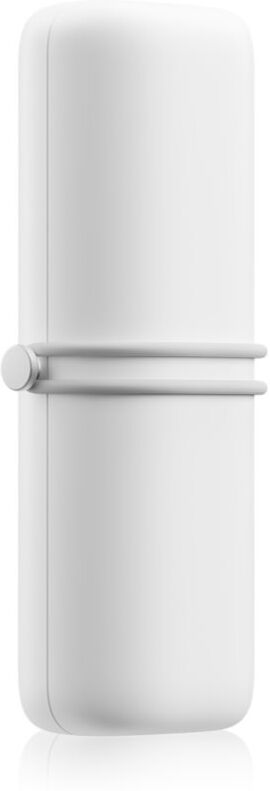
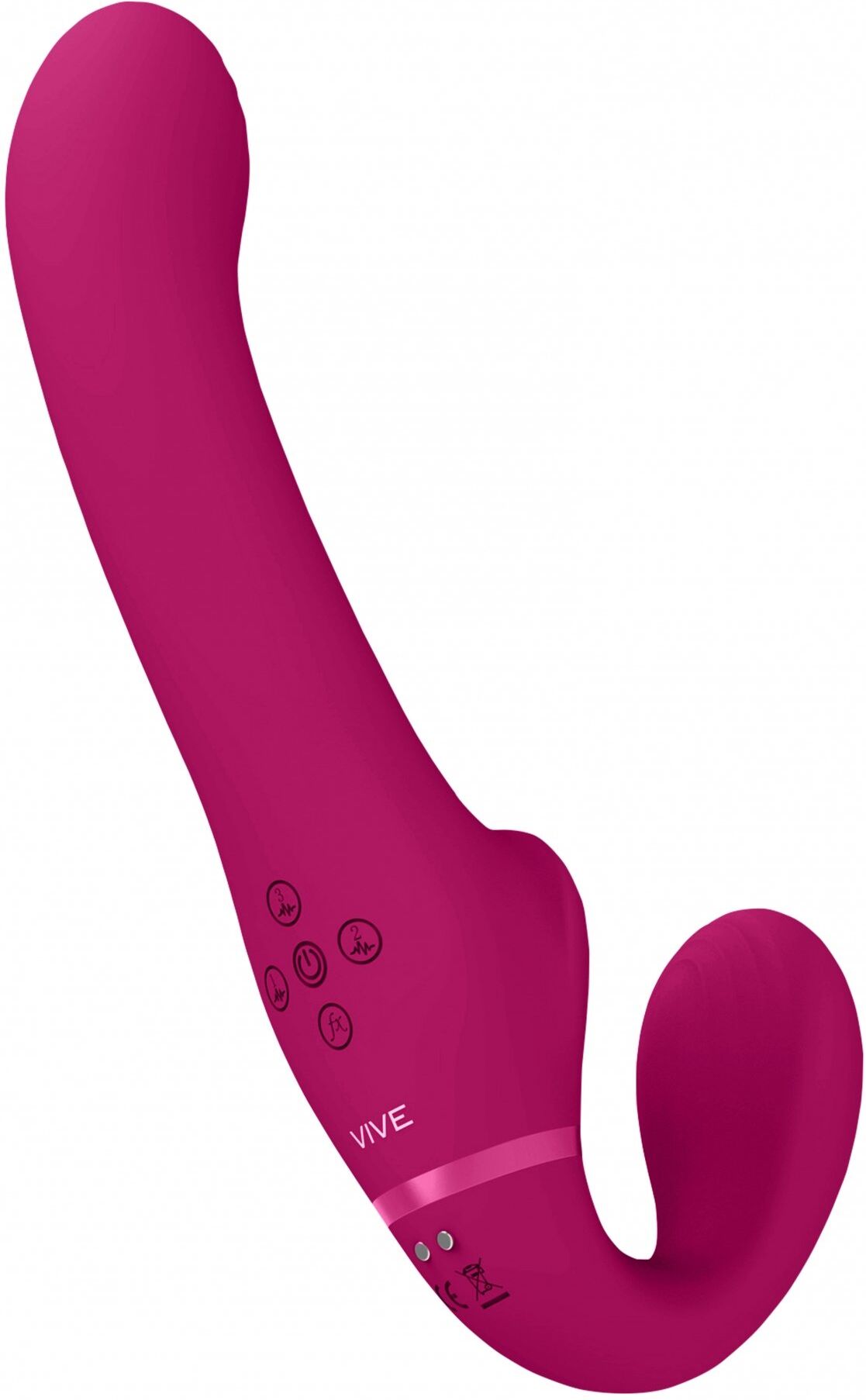
Products related to Loveline-Pulse-Wave-and:


-
How fast does the pulse rise and fall?
The speed at which the pulse rises and falls can vary depending on the individual's physical condition, level of activity, and emotional state. During exercise or moments of stress, the pulse can rise rapidly, sometimes within seconds. Once the activity or stressor subsides, the pulse will gradually return to its resting rate, typically within a few minutes. However, in some cases, such as during a panic attack or intense physical exertion, the pulse may take longer to return to its baseline. **
-
How fast is my cat's pulse?
A cat's pulse typically ranges from 140 to 220 beats per minute. To check your cat's pulse, place your fingers on the inside of their hind leg, near the top, or on the underside of their front leg, near the elbow. Count the number of beats you feel in 15 seconds and then multiply by 4 to get the beats per minute. If you have any concerns about your cat's pulse, it's best to consult with a veterinarian. **
-
How are breathing and pulse related?
Breathing and pulse are related in that they are both controlled by the autonomic nervous system. When we inhale, our diaphragm contracts and our chest expands, allowing air to enter the lungs. This action also causes a slight decrease in blood pressure, which can lead to a temporary increase in heart rate to compensate for the change in blood flow. As we exhale, the diaphragm relaxes and the chest contracts, which can lead to a decrease in heart rate. This synchronization between breathing and pulse helps to ensure that our body is receiving enough oxygen and nutrients to function properly. **
-
What is the difference between a cold wave and a permanent wave?
A cold wave is a temporary change in weather characterized by a sudden and significant drop in temperature, often accompanied by strong winds. It is a short-term weather event that can last for a few days to a week. On the other hand, a permanent wave refers to a hairstyle treatment that uses chemicals to create curls or waves in the hair. This process permanently alters the hair's structure, unlike a cold wave which is a temporary weather phenomenon. **

What is the difference between a support wave and a permanent wave?
A support wave is a temporary wave created using styling products and tools such as curling irons or rollers. It provides temporary texture and volume to the hair and can be easily washed out. On the other hand, a permanent wave, also known as a perm, is a chemical treatment that permanently alters the hair's structure to create curls or waves. This process involves using a chemical solution to break and reform the hair's bonds, resulting in a long-lasting change to the hair's texture. **
What are the symptoms of rapid pulse, headaches, and loss of appetite due to sugar withdrawal?
Symptoms of rapid pulse, headaches, and loss of appetite due to sugar withdrawal can include feeling jittery or anxious, experiencing dizziness or lightheadedness, and having difficulty concentrating. These symptoms are often a result of the body adjusting to a decrease in sugar intake and can be temporary as the body adapts to a lower sugar diet. It is important to stay hydrated, eat balanced meals, and gradually reduce sugar intake to help manage these symptoms. **
Top-Angebote
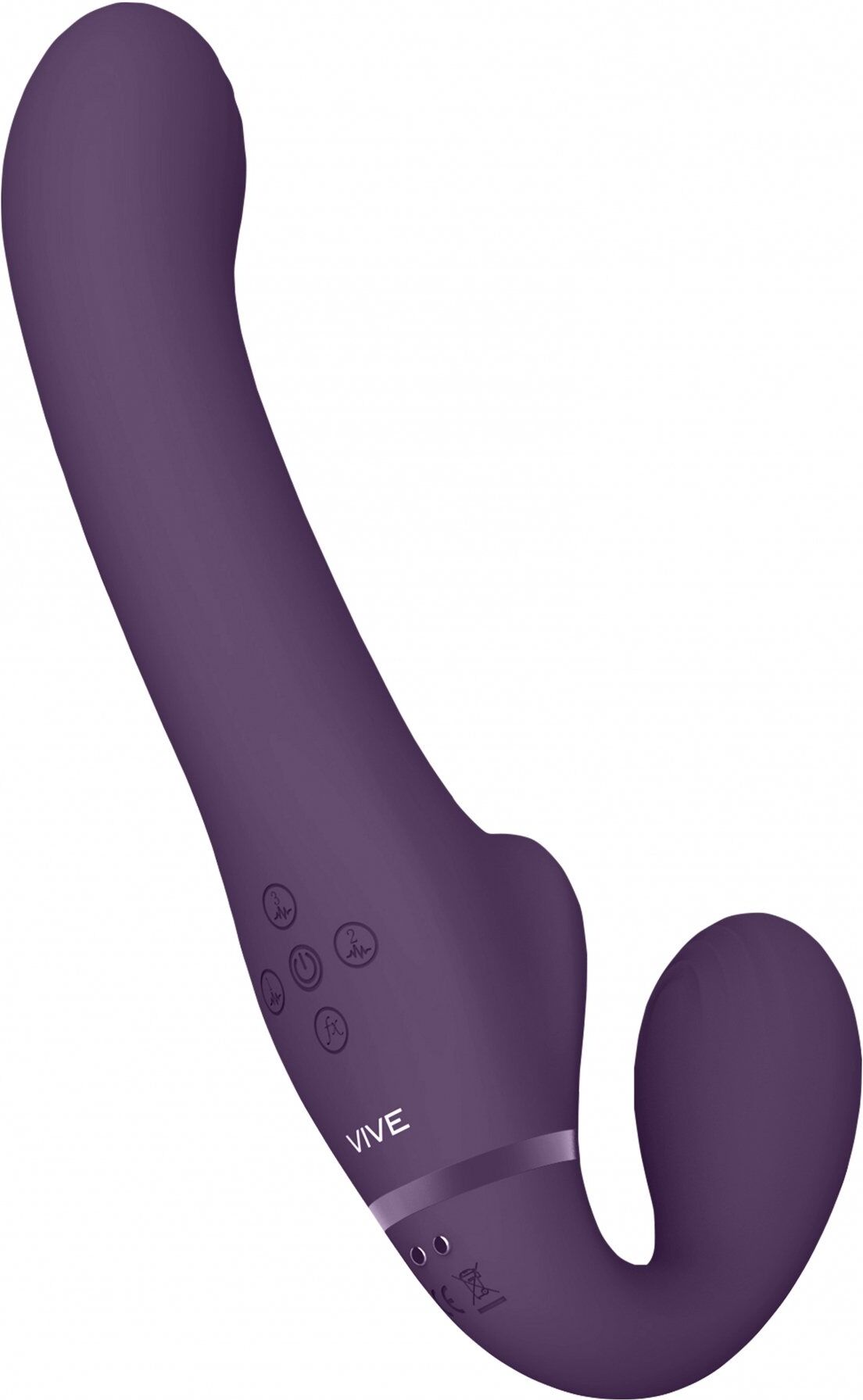
Products related to Loveline-Pulse-Wave-and:
-
How does the pulse wave arise?
The pulse wave arises from the rhythmic contraction of the heart, which creates a surge of blood through the arteries. As the heart contracts, it pushes blood into the arteries, causing them to expand and creating a pressure wave. This pressure wave travels through the arteries, resulting in the palpable pulse that can be felt at various points on the body. The pulse wave is an important indicator of cardiovascular health and can provide valuable information about the heart's function. **
-
What are the symptoms of watery diarrhea and rapid pulse?
Watery diarrhea is characterized by frequent, loose, and watery bowel movements. It can lead to dehydration, which may cause symptoms such as increased thirst, dry mouth, and dark yellow urine. A rapid pulse, or tachycardia, is when the heart beats faster than normal. This can be a sign of dehydration, fever, or an underlying medical condition. If experiencing watery diarrhea and a rapid pulse, it is important to seek medical attention to determine the underlying cause and receive appropriate treatment. **
-
How fast does the pulse rise and fall?
The speed at which the pulse rises and falls can vary depending on the individual's physical condition, level of activity, and emotional state. During exercise or moments of stress, the pulse can rise rapidly, sometimes within seconds. Once the activity or stressor subsides, the pulse will gradually return to its resting rate, typically within a few minutes. However, in some cases, such as during a panic attack or intense physical exertion, the pulse may take longer to return to its baseline. **
-
How fast is my cat's pulse?
A cat's pulse typically ranges from 140 to 220 beats per minute. To check your cat's pulse, place your fingers on the inside of their hind leg, near the top, or on the underside of their front leg, near the elbow. Count the number of beats you feel in 15 seconds and then multiply by 4 to get the beats per minute. If you have any concerns about your cat's pulse, it's best to consult with a veterinarian. **
Similar search terms for Loveline-Pulse-Wave-and
-
How are breathing and pulse related?
Breathing and pulse are related in that they are both controlled by the autonomic nervous system. When we inhale, our diaphragm contracts and our chest expands, allowing air to enter the lungs. This action also causes a slight decrease in blood pressure, which can lead to a temporary increase in heart rate to compensate for the change in blood flow. As we exhale, the diaphragm relaxes and the chest contracts, which can lead to a decrease in heart rate. This synchronization between breathing and pulse helps to ensure that our body is receiving enough oxygen and nutrients to function properly. **
-
What is the difference between a cold wave and a permanent wave?
A cold wave is a temporary change in weather characterized by a sudden and significant drop in temperature, often accompanied by strong winds. It is a short-term weather event that can last for a few days to a week. On the other hand, a permanent wave refers to a hairstyle treatment that uses chemicals to create curls or waves in the hair. This process permanently alters the hair's structure, unlike a cold wave which is a temporary weather phenomenon. **
-
What is the difference between a support wave and a permanent wave?
A support wave is a temporary wave created using styling products and tools such as curling irons or rollers. It provides temporary texture and volume to the hair and can be easily washed out. On the other hand, a permanent wave, also known as a perm, is a chemical treatment that permanently alters the hair's structure to create curls or waves. This process involves using a chemical solution to break and reform the hair's bonds, resulting in a long-lasting change to the hair's texture. **
-
What are the symptoms of rapid pulse, headaches, and loss of appetite due to sugar withdrawal?
Symptoms of rapid pulse, headaches, and loss of appetite due to sugar withdrawal can include feeling jittery or anxious, experiencing dizziness or lightheadedness, and having difficulty concentrating. These symptoms are often a result of the body adjusting to a decrease in sugar intake and can be temporary as the body adapts to a lower sugar diet. It is important to stay hydrated, eat balanced meals, and gradually reduce sugar intake to help manage these symptoms. **
* All prices are inclusive of VAT and, if applicable, plus shipping costs. The offer information is based on the details provided by the respective shop and is updated through automated processes. Real-time updates do not occur, so deviations can occur in individual cases. ** Note: Parts of this content were created by AI.