Buy fast-pass.be ?
We are moving the project
fast-pass.be .
Are you interested in purchasing the domain
fast-pass.be ?
domain@kv-gmbh.de · 0541-91531010
Buy fast-pass.be ?
Does "pass auf dich auf" mean something?
Yes, "pass auf dich auf" is a German phrase that translates to "take care of yourself" in English. It is a common expression used to wish someone well and to remind them to look after their own well-being. It is often used as a farewell or as a way to express concern for someone's safety and health. **
What does "Pass auf dich auf" mean?
"Pass auf dich auf" is a German phrase that translates to "Take care of yourself" in English. It is a common expression used to show concern for someone's well-being and to encourage them to be careful and look after themselves. This phrase is often used when saying goodbye or when expressing care and concern for someone's health and safety. **

Similar search terms for Dich
Top-Angebote
Products related to Dich:
-
BURTON QUICK COMMUTE WMNBURTON QUICK COMMUTE WMNHey rider, here you can find everything you've to know about the BURTON QUICK COMMUTE WMN JACKET. QUICK COMMUTE WMN JACKET BURTON The QUICK COMMUTE WMN is a high quality BURTON WOMAN JACKET. This item has a hot lining, it's perfect for w102,90 €*Shipping: 0,00 €Secure redirect to the provider
-
ADIDAS SPORTSWEAR Baskets RAPID COURT LOWDétails produit • Usage sportswear • Talon plat • Fermeture : A lacets Composition et Entretien • Dessus/Tige : 100% autres matériaux • Doublure : 100% textile • Semelle intérieure : 100% textile • Semelle extérieure : 100% caoutchouc60,00 €*Shipping: 3,99 €Secure redirect to the provider


-
Does "Klingt Pass auf dich auf" sound threatening?
No, "Klingt Pass auf dich auf" does not sound threatening. It is a phrase in German that translates to "Take care of yourself" or "Be careful." The tone of the phrase is more caring and concerned rather than threatening. **
-
What does "Lieb dich eher," "Hab dich lieb," or "Ich liebe dich" actually mean?
"Lieb dich eher" means "love you sooner," which implies a sense of urgency or immediacy in expressing love. "Hab dich lieb" translates to "I have love for you," indicating a deep affection or care for someone. "Ich liebe dich" means "I love you," expressing a strong and deep romantic love for the person. Each phrase conveys different levels of love and affection in the German language. **
-
Is "Hab dich gern" the same as "Hab dich lieb"?
"Hab dich gern" and "Hab dich lieb" are similar expressions in German, both expressing affection towards someone. However, "Hab dich lieb" is considered a stronger expression of love compared to "Hab dich gern." While both convey feelings of care and fondness, "Hab dich lieb" is often reserved for closer relationships like family members or romantic partners, whereas "Hab dich gern" can be used more casually with friends or acquaintances. **
-
What does "lieb dich" mean instead of "ich liebe dich"?
"Lieb dich" is a more casual and informal way of saying "ich liebe dich" in German. It is often used between close friends, family members, or romantic partners. The phrase "lieb dich" can be seen as a shortened and more affectionate version of "ich liebe dich," conveying a similar sentiment of love and care. **


What is the difference between "lieb dich" and "liebe dich"?
"lieb dich" is an informal way of saying "I love you" in German, while "liebe dich" is the formal version. The use of "lieb dich" is more common in everyday conversations with friends and family, while "liebe dich" is used in more formal or serious situations. The choice between the two depends on the level of familiarity and the context in which it is being used. **
What does "ich liebe dich" or "ich liebe dich" mean?
"Ich liebe dich" is a German phrase that translates to "I love you" in English. It is a declaration of romantic love or affection towards someone. The phrase is commonly used to express deep feelings of love and care towards a partner or loved one. **
Top-Angebote
Products related to Dich:
-
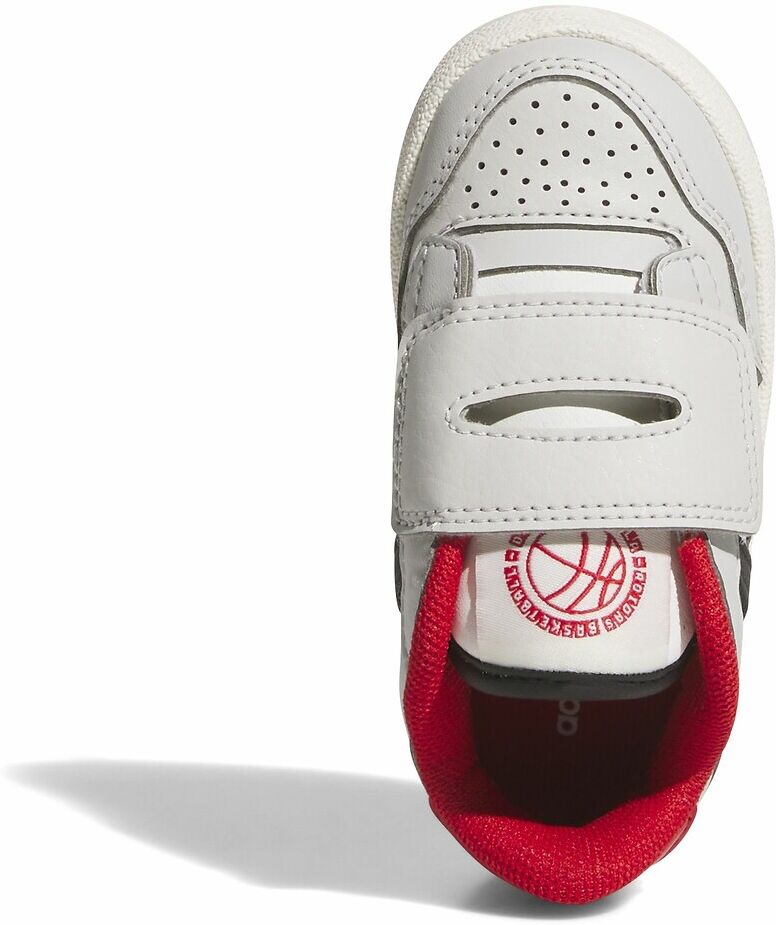
ADIDAS SPORTSWEAR Baskets Rapid CourtPratique, la patte auto-agrippante permet d'enfiler et de retirer facilement les baskets Rapid Court. La semelle extérieure en caoutchouc offre une base solide pour les premiers pas. Détails produit • Usage sportswear • Talon plat • Fermeture : A scratch Composition et Entretien • Dessus/Tige : 80% autres matériaux, 20% polyester • Doublure : 100% textile • Semelle intérieure : 100% textile • Semelle extérieure : 100% caoutchouc23,10 €*Shipping: 3,99 €Secure redirect to the provider
-
BURTON QUICK COMMUTE WMNBURTON QUICK COMMUTE WMNHey rider, here you can find everything you've to know about the BURTON QUICK COMMUTE WMN JACKET. QUICK COMMUTE WMN JACKET BURTON The QUICK COMMUTE WMN is a high quality BURTON WOMAN JACKET. This item has a hot lining, it's perfect for w102,90 €*Shipping: 0,00 €Secure redirect to the provider
-
Does "pass auf dich auf" mean something?
Yes, "pass auf dich auf" is a German phrase that translates to "take care of yourself" in English. It is a common expression used to wish someone well and to remind them to look after their own well-being. It is often used as a farewell or as a way to express concern for someone's safety and health. **
-
What does "Pass auf dich auf" mean?
"Pass auf dich auf" is a German phrase that translates to "Take care of yourself" in English. It is a common expression used to show concern for someone's well-being and to encourage them to be careful and look after themselves. This phrase is often used when saying goodbye or when expressing care and concern for someone's health and safety. **
-
Does "Klingt Pass auf dich auf" sound threatening?
No, "Klingt Pass auf dich auf" does not sound threatening. It is a phrase in German that translates to "Take care of yourself" or "Be careful." The tone of the phrase is more caring and concerned rather than threatening. **
-
What does "Lieb dich eher," "Hab dich lieb," or "Ich liebe dich" actually mean?
"Lieb dich eher" means "love you sooner," which implies a sense of urgency or immediacy in expressing love. "Hab dich lieb" translates to "I have love for you," indicating a deep affection or care for someone. "Ich liebe dich" means "I love you," expressing a strong and deep romantic love for the person. Each phrase conveys different levels of love and affection in the German language. **
Similar search terms for Dich
-
ADIDAS SPORTSWEAR Baskets RAPID COURT LOWDétails produit • Usage sportswear • Talon plat • Fermeture : A lacets Composition et Entretien • Dessus/Tige : 100% autres matériaux • Doublure : 100% textile • Semelle intérieure : 100% textile • Semelle extérieure : 100% caoutchouc60,00 €*Shipping: 3,99 €Secure redirect to the provider
-
Is "Hab dich gern" the same as "Hab dich lieb"?
"Hab dich gern" and "Hab dich lieb" are similar expressions in German, both expressing affection towards someone. However, "Hab dich lieb" is considered a stronger expression of love compared to "Hab dich gern." While both convey feelings of care and fondness, "Hab dich lieb" is often reserved for closer relationships like family members or romantic partners, whereas "Hab dich gern" can be used more casually with friends or acquaintances. **
-
What does "lieb dich" mean instead of "ich liebe dich"?
"Lieb dich" is a more casual and informal way of saying "ich liebe dich" in German. It is often used between close friends, family members, or romantic partners. The phrase "lieb dich" can be seen as a shortened and more affectionate version of "ich liebe dich," conveying a similar sentiment of love and care. **
-
What is the difference between "lieb dich" and "liebe dich"?
"lieb dich" is an informal way of saying "I love you" in German, while "liebe dich" is the formal version. The use of "lieb dich" is more common in everyday conversations with friends and family, while "liebe dich" is used in more formal or serious situations. The choice between the two depends on the level of familiarity and the context in which it is being used. **
-
What does "ich liebe dich" or "ich liebe dich" mean?
"Ich liebe dich" is a German phrase that translates to "I love you" in English. It is a declaration of romantic love or affection towards someone. The phrase is commonly used to express deep feelings of love and care towards a partner or loved one. **
* All prices are inclusive of VAT and, if applicable, plus shipping costs. The offer information is based on the details provided by the respective shop and is updated through automated processes. Real-time updates do not occur, so deviations can occur in individual cases. ** Note: Parts of this content were created by AI.