Buy fast-pass.be ?
We are moving the project
fast-pass.be .
Are you interested in purchasing the domain
fast-pass.be ?
domain@kv-gmbh.de · 0541-91531010
Buy fast-pass.be ?
What is the polarity of uracil and cytosine?
Uracil and cytosine are both nitrogenous bases found in RNA. Both uracil and cytosine are polar molecules due to the presence of electronegative atoms (oxygen and nitrogen) in their chemical structure. This polarity allows them to form hydrogen bonds with other nucleotides, contributing to the stability of the RNA molecule. **
Are there more adenine-thymine pairs than cytosine-guanine pairs?
No, in a double-stranded DNA molecule, the number of adenine-thymine pairs is equal to the number of cytosine-guanine pairs. This is due to the complementary base pairing rule, where adenine always pairs with thymine and cytosine always pairs with guanine. Therefore, the amount of adenine-thymine pairs is always equal to the amount of cytosine-guanine pairs in a DNA molecule. **

Similar search terms for Cytosine
Top-Angebote
Products related to Cytosine:
-
BURTON QUICK COMMUTE WMNBURTON QUICK COMMUTE WMNHey rider, here you can find everything you've to know about the BURTON QUICK COMMUTE WMN JACKET. QUICK COMMUTE WMN JACKET BURTON The QUICK COMMUTE WMN is a high quality BURTON WOMAN JACKET. This item has a hot lining, it's perfect for w102,90 €*Shipping: 0,00 €Secure redirect to the provider
-
ADIDAS SPORTSWEAR Baskets Rapid Court LowDétails produit • Usage sportswear • Talon plat • Fermeture : A lacets Composition et Entretien • Dessus/Tige : 100% autres matériaux • Doublure : 100% textile • Semelle intérieure : 100% textile • Semelle extérieure : 100% caoutchouc28,00 €*Shipping: 3,99 €Secure redirect to the provider


-
Why do mutations occur with altered forms of cytosine and thymine?
Mutations occur with altered forms of cytosine and thymine because these altered bases can pair incorrectly with other bases during DNA replication. For example, 5-methylcytosine can spontaneously deaminate to form thymine, leading to a mismatch with guanine during replication. This mismatch can result in a mutation if not repaired properly. Additionally, altered forms of cytosine and thymine can be more prone to chemical modifications or damage, further increasing the likelihood of mutations. **
-
In models, what color do adenine, thymine, guanine, and cytosine have?
In models, adenine is typically represented by the color green, thymine by the color red, guanine by the color blue, and cytosine by the color yellow. These colors are used to visually distinguish the different nucleotide bases in DNA and RNA models, making it easier to understand the structure and interactions between these molecules. This color scheme is commonly used in educational settings and scientific illustrations to help students and researchers visualize the molecular components of nucleic acids. **
-
Why can only adenine pair with thymine and cytosine pair with guanine?
Adenine can only pair with thymine and cytosine can only pair with guanine due to their complementary base pairing in DNA. Adenine and thymine form two hydrogen bonds between them, while cytosine and guanine form three hydrogen bonds. This specific pairing is essential for maintaining the double-stranded structure of DNA and ensures the accurate replication and transmission of genetic information during cell division. The hydrogen bonding between these base pairs provides stability to the DNA molecule. **
-
Why do mutations occur in the altered form of cytosine and thymine?
Mutations occur in the altered form of cytosine and thymine because these altered forms can pair with different nucleotides during DNA replication. For example, altered cytosine (5-methylcytosine) can pair with adenine instead of guanine, leading to a mismatch in the DNA sequence. Similarly, altered thymine (5-methylthymine) can pair with guanine instead of adenine. These altered base pairings can result in mutations during DNA replication, leading to genetic variation and potential changes in the phenotype of an organism. **


What is the proportion of the four DNA bases, adenine, cytosine, guanine, and thymine, dependent on?
The proportion of the four DNA bases, adenine, cytosine, guanine, and thymine, is dependent on the specific organism and its genetic makeup. This proportion is determined by the genetic code of the organism and is essential for the proper functioning of DNA replication and protein synthesis. In humans, the proportion of adenine is equal to thymine, and the proportion of cytosine is equal to guanine, due to the complementary base pairing rule. However, in other organisms, the proportion of these bases may vary. **
How is the separation of DNA achieved by heating at a high concentration of the bases cytosine and guanine?
The separation of DNA is achieved by heating at a high concentration of the bases cytosine and guanine through a process called denaturation. When DNA is heated, the hydrogen bonds between the base pairs (cytosine and guanine, as well as adenine and thymine) break, causing the double helix structure to unwind and separate into two single strands. The high concentration of cytosine and guanine bases can further stabilize the DNA strands, making it easier to separate them during the denaturation process. This separation allows for various molecular biology techniques, such as PCR and DNA sequencing, to be performed on the isolated DNA strands. **
Top-Angebote
Products related to Cytosine:
-
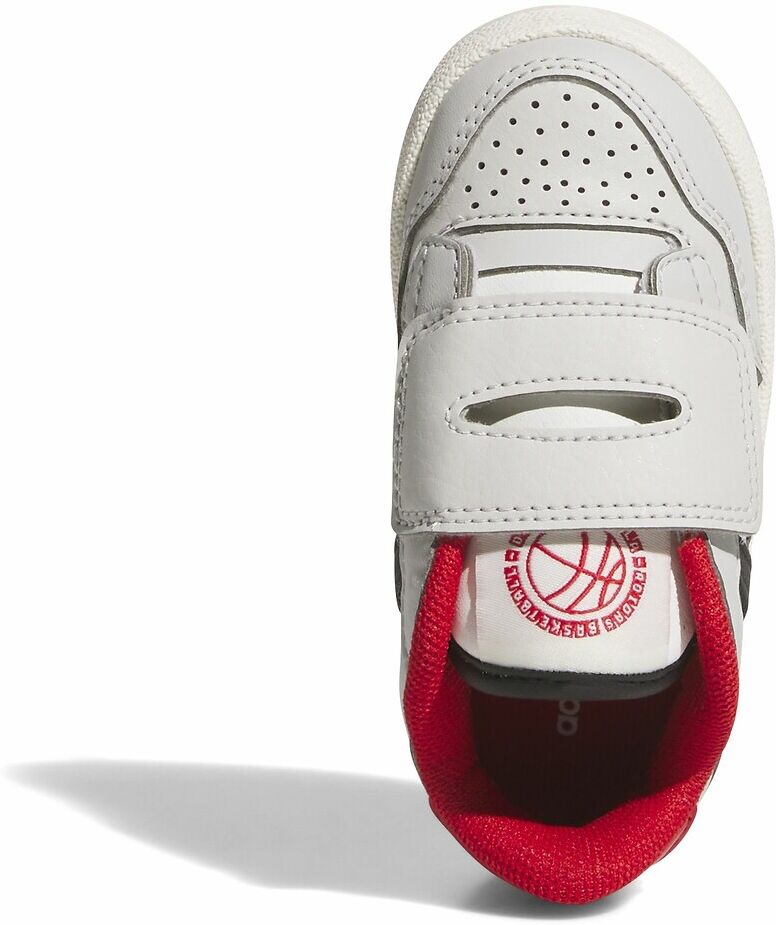
ADIDAS SPORTSWEAR Baskets Rapid CourtPratique, la patte auto-agrippante permet d'enfiler et de retirer facilement les baskets Rapid Court. La semelle extérieure en caoutchouc offre une base solide pour les premiers pas. Détails produit • Usage sportswear • Talon plat • Fermeture : A scratch Composition et Entretien • Dessus/Tige : 80% autres matériaux, 20% polyester • Doublure : 100% textile • Semelle intérieure : 100% textile • Semelle extérieure : 100% caoutchouc23,10 €*Shipping: 3,99 €Secure redirect to the provider
-
BURTON QUICK COMMUTE WMNBURTON QUICK COMMUTE WMNHey rider, here you can find everything you've to know about the BURTON QUICK COMMUTE WMN JACKET. QUICK COMMUTE WMN JACKET BURTON The QUICK COMMUTE WMN is a high quality BURTON WOMAN JACKET. This item has a hot lining, it's perfect for w102,90 €*Shipping: 0,00 €Secure redirect to the provider
-
ADIDAS SPORTSWEAR Baskets Rapid Court LowDétails produit • Usage sportswear • Talon plat • Fermeture : A lacets Composition et Entretien • Dessus/Tige : 100% autres matériaux • Doublure : 100% textile • Semelle intérieure : 100% textile • Semelle extérieure : 100% caoutchouc28,00 €*Shipping: 3,99 €Secure redirect to the provider
-
What is the polarity of uracil and cytosine?
Uracil and cytosine are both nitrogenous bases found in RNA. Both uracil and cytosine are polar molecules due to the presence of electronegative atoms (oxygen and nitrogen) in their chemical structure. This polarity allows them to form hydrogen bonds with other nucleotides, contributing to the stability of the RNA molecule. **
-
Are there more adenine-thymine pairs than cytosine-guanine pairs?
No, in a double-stranded DNA molecule, the number of adenine-thymine pairs is equal to the number of cytosine-guanine pairs. This is due to the complementary base pairing rule, where adenine always pairs with thymine and cytosine always pairs with guanine. Therefore, the amount of adenine-thymine pairs is always equal to the amount of cytosine-guanine pairs in a DNA molecule. **
-
Why do mutations occur with altered forms of cytosine and thymine?
Mutations occur with altered forms of cytosine and thymine because these altered bases can pair incorrectly with other bases during DNA replication. For example, 5-methylcytosine can spontaneously deaminate to form thymine, leading to a mismatch with guanine during replication. This mismatch can result in a mutation if not repaired properly. Additionally, altered forms of cytosine and thymine can be more prone to chemical modifications or damage, further increasing the likelihood of mutations. **
-
In models, what color do adenine, thymine, guanine, and cytosine have?
In models, adenine is typically represented by the color green, thymine by the color red, guanine by the color blue, and cytosine by the color yellow. These colors are used to visually distinguish the different nucleotide bases in DNA and RNA models, making it easier to understand the structure and interactions between these molecules. This color scheme is commonly used in educational settings and scientific illustrations to help students and researchers visualize the molecular components of nucleic acids. **
Similar search terms for Cytosine
-
Why can only adenine pair with thymine and cytosine pair with guanine?
Adenine can only pair with thymine and cytosine can only pair with guanine due to their complementary base pairing in DNA. Adenine and thymine form two hydrogen bonds between them, while cytosine and guanine form three hydrogen bonds. This specific pairing is essential for maintaining the double-stranded structure of DNA and ensures the accurate replication and transmission of genetic information during cell division. The hydrogen bonding between these base pairs provides stability to the DNA molecule. **
-
Why do mutations occur in the altered form of cytosine and thymine?
Mutations occur in the altered form of cytosine and thymine because these altered forms can pair with different nucleotides during DNA replication. For example, altered cytosine (5-methylcytosine) can pair with adenine instead of guanine, leading to a mismatch in the DNA sequence. Similarly, altered thymine (5-methylthymine) can pair with guanine instead of adenine. These altered base pairings can result in mutations during DNA replication, leading to genetic variation and potential changes in the phenotype of an organism. **
-
What is the proportion of the four DNA bases, adenine, cytosine, guanine, and thymine, dependent on?
The proportion of the four DNA bases, adenine, cytosine, guanine, and thymine, is dependent on the specific organism and its genetic makeup. This proportion is determined by the genetic code of the organism and is essential for the proper functioning of DNA replication and protein synthesis. In humans, the proportion of adenine is equal to thymine, and the proportion of cytosine is equal to guanine, due to the complementary base pairing rule. However, in other organisms, the proportion of these bases may vary. **
-
How is the separation of DNA achieved by heating at a high concentration of the bases cytosine and guanine?
The separation of DNA is achieved by heating at a high concentration of the bases cytosine and guanine through a process called denaturation. When DNA is heated, the hydrogen bonds between the base pairs (cytosine and guanine, as well as adenine and thymine) break, causing the double helix structure to unwind and separate into two single strands. The high concentration of cytosine and guanine bases can further stabilize the DNA strands, making it easier to separate them during the denaturation process. This separation allows for various molecular biology techniques, such as PCR and DNA sequencing, to be performed on the isolated DNA strands. **
* All prices are inclusive of VAT and, if applicable, plus shipping costs. The offer information is based on the details provided by the respective shop and is updated through automated processes. Real-time updates do not occur, so deviations can occur in individual cases. ** Note: Parts of this content were created by AI.