Buy fast-pass.be ?
We are moving the project
fast-pass.be .
Are you interested in purchasing the domain
fast-pass.be ?
domain@kv-gmbh.de · 0541-91531010
Buy fast-pass.be ?
Is the capitalization correct?
Yes, the capitalization is correct. **
Capitalization in these cases?
In these cases, capitalization is not necessary. The words "in," "these," and "cases" are all considered common nouns and do not require capitalization unless they are at the beginning of a sentence. Only proper nouns, such as names of specific people, places, or things, should be capitalized. **

Similar search terms for Capitalization
Top-Angebote
Products related to Capitalization:
-
BURTON QUICK COMMUTE WMNBURTON QUICK COMMUTE WMNHey rider, here you can find everything you've to know about the BURTON QUICK COMMUTE WMN JACKET. QUICK COMMUTE WMN JACKET BURTON The QUICK COMMUTE WMN is a high quality BURTON WOMAN JACKET. This item has a hot lining, it's perfect for w102,90 €*Shipping: 0,00 €Secure redirect to the provider
-
ADIDAS SPORTSWEAR Baskets Rapid Court LowDétails produit • Usage sportswear • Talon plat • Fermeture : A lacets Composition et Entretien • Dessus/Tige : 100% autres matériaux • Doublure : 100% textile • Semelle intérieure : 100% textile • Semelle extérieure : 100% caoutchouc28,00 €*Shipping: 3,99 €Secure redirect to the provider


-
How does capitalization work?
Capitalization refers to the use of uppercase letters at the beginning of a word. In English, proper nouns such as names of people, places, and organizations are capitalized. The first word in a sentence is also capitalized, as well as the pronoun "I." Titles of books, movies, and songs are typically capitalized. It is important to pay attention to capitalization rules to ensure clear and correct writing. **
-
Is the capitalization good?
Yes, the capitalization is good. The sentences begin with capital letters and proper nouns are capitalized as well. Overall, the writing follows standard capitalization rules and is clear and easy to read. **
-
Does Japanese have capitalization?
No, Japanese does not have capitalization in the same way that English does. In Japanese writing, there is no distinction between uppercase and lowercase letters. Instead, the language relies on other methods, such as kanji characters and context, to convey meaning and emphasis. Therefore, capitalization is not a feature of the Japanese writing system. **
-
Which suffix determines capitalization?
The suffix that determines capitalization is the proper noun suffix. Proper nouns are specific names of people, places, or things, and they are always capitalized. When a common noun is changed into a proper noun by adding a suffix, the capitalization is determined by the suffix. For example, the common noun "river" becomes the proper noun "Mississippi River" when the proper noun suffix "River" is added, and "River" is capitalized. **


Capitalization of German Empire?
The German Empire was officially capitalized as "Deutsches Reich" in German. In English, it is typically capitalized as "German Empire" when referring to the historical state that existed from 1871 to 1918. When discussing the government or specific institutions of the German Empire, such as the Reichstag or the Kaiser, those terms would also be capitalized. **
Small question about capitalization
When it comes to capitalization, it's important to remember that proper nouns, such as names of specific people, places, and things, should always be capitalized. Additionally, the first word of a sentence and the pronoun "I" should also be capitalized. However, common nouns and most adjectives should not be capitalized unless they are part of a title or are being used in a specific, formal context. It's always a good idea to double-check the rules of capitalization to ensure that your writing is clear and correct. **
Top-Angebote
Products related to Capitalization:
-
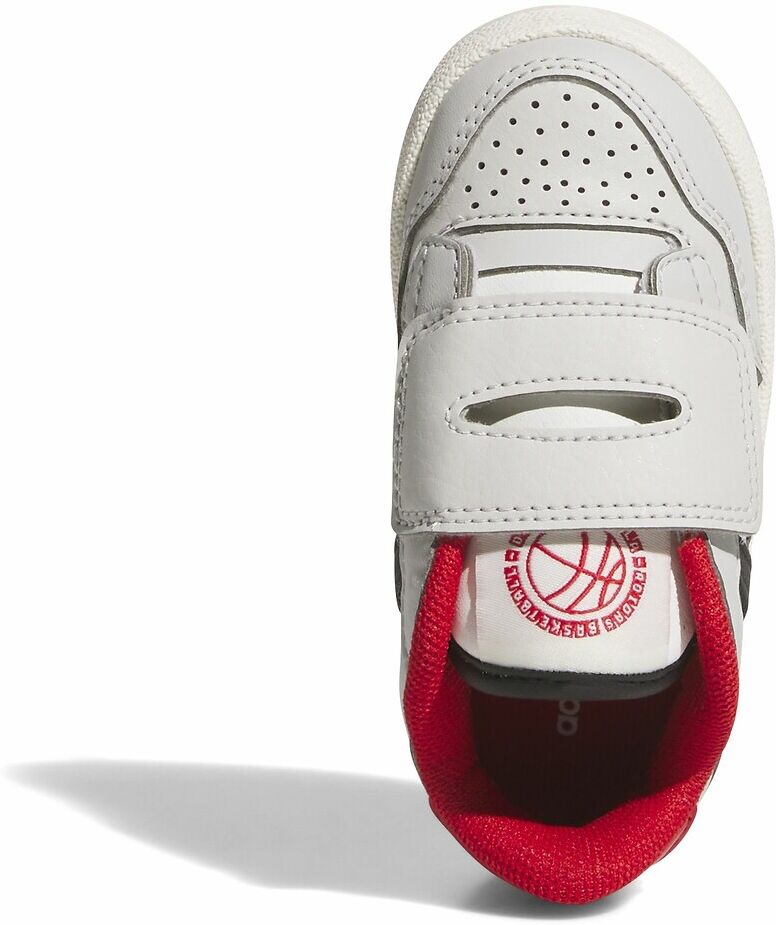
ADIDAS SPORTSWEAR Baskets Rapid CourtPratique, la patte auto-agrippante permet d'enfiler et de retirer facilement les baskets Rapid Court. La semelle extérieure en caoutchouc offre une base solide pour les premiers pas. Détails produit • Usage sportswear • Talon plat • Fermeture : A scratch Composition et Entretien • Dessus/Tige : 80% autres matériaux, 20% polyester • Doublure : 100% textile • Semelle intérieure : 100% textile • Semelle extérieure : 100% caoutchouc23,10 €*Shipping: 3,99 €Secure redirect to the provider
-
BURTON QUICK COMMUTE WMNBURTON QUICK COMMUTE WMNHey rider, here you can find everything you've to know about the BURTON QUICK COMMUTE WMN JACKET. QUICK COMMUTE WMN JACKET BURTON The QUICK COMMUTE WMN is a high quality BURTON WOMAN JACKET. This item has a hot lining, it's perfect for w102,90 €*Shipping: 0,00 €Secure redirect to the provider
-
ADIDAS SPORTSWEAR Baskets Rapid Court LowDétails produit • Usage sportswear • Talon plat • Fermeture : A lacets Composition et Entretien • Dessus/Tige : 100% autres matériaux • Doublure : 100% textile • Semelle intérieure : 100% textile • Semelle extérieure : 100% caoutchouc28,00 €*Shipping: 3,99 €Secure redirect to the provider
-
Is the capitalization correct?
Yes, the capitalization is correct. **
-
Capitalization in these cases?
In these cases, capitalization is not necessary. The words "in," "these," and "cases" are all considered common nouns and do not require capitalization unless they are at the beginning of a sentence. Only proper nouns, such as names of specific people, places, or things, should be capitalized. **
-
How does capitalization work?
Capitalization refers to the use of uppercase letters at the beginning of a word. In English, proper nouns such as names of people, places, and organizations are capitalized. The first word in a sentence is also capitalized, as well as the pronoun "I." Titles of books, movies, and songs are typically capitalized. It is important to pay attention to capitalization rules to ensure clear and correct writing. **
-
Is the capitalization good?
Yes, the capitalization is good. The sentences begin with capital letters and proper nouns are capitalized as well. Overall, the writing follows standard capitalization rules and is clear and easy to read. **
Similar search terms for Capitalization
-
Does Japanese have capitalization?
No, Japanese does not have capitalization in the same way that English does. In Japanese writing, there is no distinction between uppercase and lowercase letters. Instead, the language relies on other methods, such as kanji characters and context, to convey meaning and emphasis. Therefore, capitalization is not a feature of the Japanese writing system. **
-
Which suffix determines capitalization?
The suffix that determines capitalization is the proper noun suffix. Proper nouns are specific names of people, places, or things, and they are always capitalized. When a common noun is changed into a proper noun by adding a suffix, the capitalization is determined by the suffix. For example, the common noun "river" becomes the proper noun "Mississippi River" when the proper noun suffix "River" is added, and "River" is capitalized. **
-
Capitalization of German Empire?
The German Empire was officially capitalized as "Deutsches Reich" in German. In English, it is typically capitalized as "German Empire" when referring to the historical state that existed from 1871 to 1918. When discussing the government or specific institutions of the German Empire, such as the Reichstag or the Kaiser, those terms would also be capitalized. **
-
Small question about capitalization
When it comes to capitalization, it's important to remember that proper nouns, such as names of specific people, places, and things, should always be capitalized. Additionally, the first word of a sentence and the pronoun "I" should also be capitalized. However, common nouns and most adjectives should not be capitalized unless they are part of a title or are being used in a specific, formal context. It's always a good idea to double-check the rules of capitalization to ensure that your writing is clear and correct. **
* All prices are inclusive of VAT and, if applicable, plus shipping costs. The offer information is based on the details provided by the respective shop and is updated through automated processes. Real-time updates do not occur, so deviations can occur in individual cases. ** Note: Parts of this content were created by AI.